• Home
  • Categories
    • Remote Care & Medicare
    • Pharmacy Profit Strategies
    • Chiropractic Growth Tactics
    • Physician Practice Insights
    • Senior Wellness & Lifestyle
    • Partner Spotlight
    • News & Announcements
  • All Posts
  • Remote Care & Medicare
  • Pharmacy Profit Strategies
  • Chiropractic Growth Tactics
  • Physician Practice Insights
  • Senior Wellness & Lifestyle
  • Partner Spotlight
  • News & Announcements
June 12.2025
1 Minute Read

RTM for physicians: Don't Miss Key Benefits in Patient Care

“Remote Therapeutic Monitoring (RTM) is reshaping the physician’s toolkit, creating unprecedented opportunities for proactive, data-driven patient care.”

Are you harnessing the full potential of RTM for physicians? Discover how Remote Therapeutic Monitoring is revolutionizing chronic disease management, enabling more targeted interventions, and driving measurable improvements in both patient satisfaction and clinical workflow. If you’re searching for real-world applications and best practices to seamlessly adopt this modern technology in your practice—with compliance and ROI top of mind—you’re in the right place. Dive in to uncover actionable steps, common pitfalls to avoid, and why failing to leverage RTM could mean missing out on the next evolution in patient care.

Understanding RTM for Physicians: What Is Remote Therapeutic Monitoring?

  • Introduction to RTM for physicians and its role in patient care: RTM for physicians stands at the intersection of medicine and technology, opening the door to continuous remote oversight of patients' therapeutic needs. Designed to bridge care gaps, RTM empowers clinicians to monitor patient adherence, symptoms, and therapy effectiveness beyond the office visit, using digital tools and patient-reported data. By integrating RTM into everyday practice, physicians can intervene sooner—well before minor setbacks become major health issues.
  • Definition and distinction from RPM (Remote Patient Monitoring): While often confused, RTM for physicians fundamentally differs from Remote Patient Monitoring (RPM). RPM focuses on collecting physiological data—think blood pressure or glucose monitoring—whereas RTM collects a broader spectrum of therapeutic data, like medication adherence, physical therapy participation, and self-reported symptoms. This distinction lets physicians tailor therapy interventions and provide more holistic care.
  • Regulatory landscape impacting RTM for physicians: The regulatory framework for RTM is evolving rapidly. In 2022, CMS introduced new CPT codes and guidance for RTM billing. The key is understanding compliance nuances: RTM covers both device-derived and self-reported therapeutic data and requires HIPAA-compliant platforms and documentation. Staying current on these regulations ensures smooth reimbursement and risk mitigation.

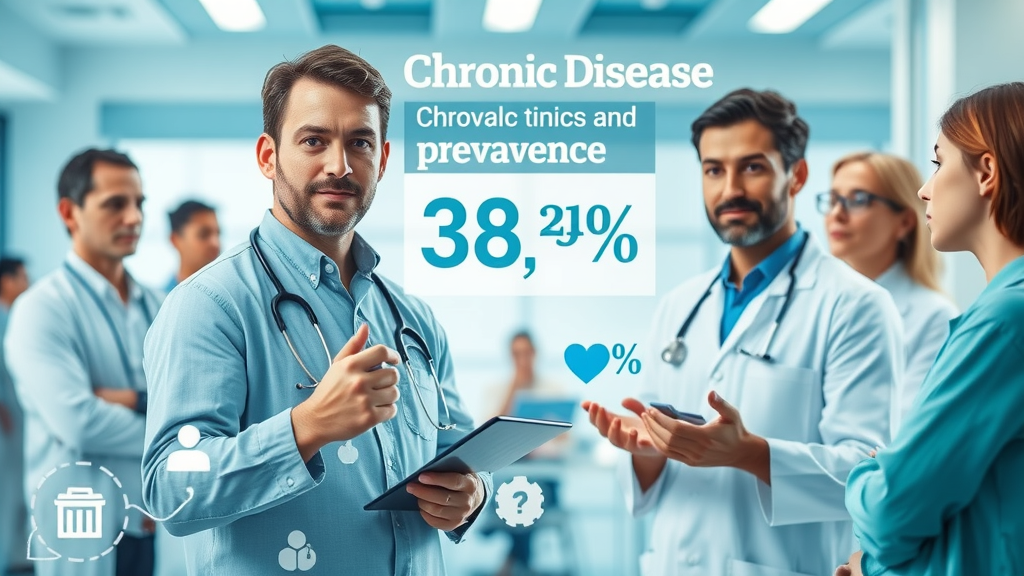
RTM for physicians digital dashboard collaborative review

Why RTM for Physicians Is Transforming Patient Care Outcomes

  • How RTM for physicians improves chronic disease management: By facilitating real-time tracking of therapy activities, symptoms, and medication adherence , RTM for physicians can drastically improve the continuity of care. Chronic conditions such as musculoskeletal disorders or COPD often require nuanced oversight, and RTM platforms make it possible to identify subtle changes in patient status well before complications arise. This allows for timely interventions, reducing hospital admissions and improving overall outcomes.
  • Real-time data collection and its impact on care plans: Instant access to therapeutic data empowers physicians to adapt treatment strategies on the fly. Instead of waiting for the next in-office visit, clinicians can review trends in mobility exercises, medication use, or patient-reported responses and make evidence-based adjustments immediately. This feedback loop enhances the precision of care and provides reassurance to patients that their challenges are noticed and addressed quickly.
  • Examples of improved follow-ups and patient compliance: RTM’s greatest strength may be its direct impact on follow-up care. By scheduling interventions based on real-world data, physicians can boost adherence, encourage active participation, and motivate patients to stick with their prescribed therapies. For example, patients recovering from orthopedic surgery who regularly report progress through RTM platforms often achieve better long-term mobility and satisfaction scores compared to those relying solely on traditional follow-ups.

Key Benefits of RTM for Physicians in Clinical Practice

  • Enhanced patient engagement through regular monitoring: RTM keeps patients actively involved in their own health journeys. When patients understand that their progress and struggles are being continually observed—not just during periodic appointments—they’re more likely to stay motivated and comply with therapeutic recommendations.
  • Data-driven decision support for better outcomes: The wealth of data collected from RTM platforms enables physicians to make more informed, personalized decisions. This can result in optimized therapy plans, precise medication adjustments, and the early detection of emerging complications—all driving better outcomes and patient trust.
  • Facilitation of personalized care plans: RTM allows clinicians to tailor care based on real-time feedback, leading to more individualized treatment paths. For instance, a patient whose exercise logs show improvement can be safely advanced to the next phase of rehabilitation sooner, while those facing setbacks can receive modified guidance and support.
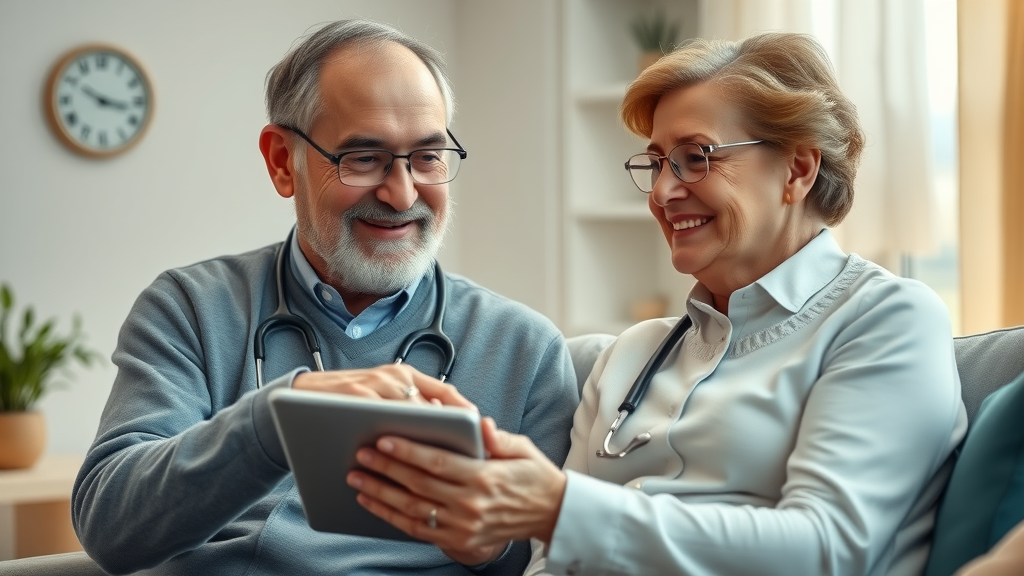
RTM for physicians telemedicine patient engagement

Implementing RTM for Physicians in Your Workflow

  • Step-by-step overview of integrating RTM solutions: Successful RTM integration starts with a clear plan—define objectives, select appropriate RTM tools, and establish protocols for ongoing communication and data review. Begin with pilot programs targeting a specific patient group or condition for a manageable learning curve. Next, create workflows for daily data evaluation and clear escalation paths for clinical anomalies.
  • Choosing the right RTM platforms and devices: Evaluate the market for RTM solutions designed specifically for physicians by considering criteria such as device interoperability, data security (HIPAA compliance), patient interface ease-of-use, and analytics dashboards. The best platforms also support bi-directional communication and can integrate with your practice’s EMR/EHR.
  • Staff training and patient onboarding best practices: Dedicate time to staff education—everyone from front desk to clinical providers should understand the roles and responsibilities in RTM. Develop patient-friendly onboarding materials, offer live support during initial setup, and address common concerns (privacy, device unfamiliarity) proactively to drive engagement and smooth adoption.
Feature Comparison: Leading RTM Platforms for Physicians
Platform Device Compatibility Data Analytics EMR/EHR Integration Patient Portal HIPAA Compliance
RTM Pro Health Wearables, Apps, Sensors Advanced Full Yes Yes
TheraConnect Wearables, Mobile Devices Standard Partial Yes Yes
MedTrackRTM Sensors, Apps Comprehensive Full Yes Yes

RTM for physicians workflow integration training

RTM for Physicians: Reimbursement, Coding, and Compliance Essentials

  • Overview of current RTM reimbursement policies for physicians: RTM billing is now supported by CMS through a suite of CPT codes, incentivizing physicians to adopt digital monitoring in their practices. Unlike RPM—which focuses on physiological parameters—RTM can cover therapeutic adherence, musculoskeletal progress, or medication management, broadening reimbursement opportunities.
  • Key CPT codes and documentation requirements: Physicians must use precise coding such as CPT 98975, 98976, 98977, 98980, and 98981 to ensure proper reimbursement. Detailed patient logs, therapy data, and interaction notes should be maintained in the medical record to meet payer requirements and withstand audits.
  • Compliance tips to mitigate legal and billing risks: To stay compliant, always use HIPAA-secure platforms, provide staff education on RTM billing nuances, and employ regular internal audits. Keeping comprehensive documentation not only protects against chargebacks but also reinforces a culture of safety and professionalism in care delivery.

People Also Ask About RTM for Physicians

How does RTM for physicians differ from RPM?

  • RTM for physicians focuses on therapeutic monitoring and collects data on non-physiological parameters, like patient-reported outcomes, medication use, and therapy adherence. In contrast, Remote Patient Monitoring (RPM) is limited to objective, physiological metrics (such as heart rate or blood pressure). RTM’s unique value lies in overseeing interventions related to medication adherence, musculoskeletal health, and therapy participation, offering a broader clinical picture than RPM.

What conditions can RTM for physicians help manage?

  • RTM for physicians is particularly effective for managing chronic musculoskeletal disorders , supporting therapeutic adherence in physical rehabilitation, and overseeing respiratory conditions like asthma and COPD. As digital therapeutic tools advance, RTM’s role continues to expand, encompassing neurological disorders, behavioral health support, and complex medication management.
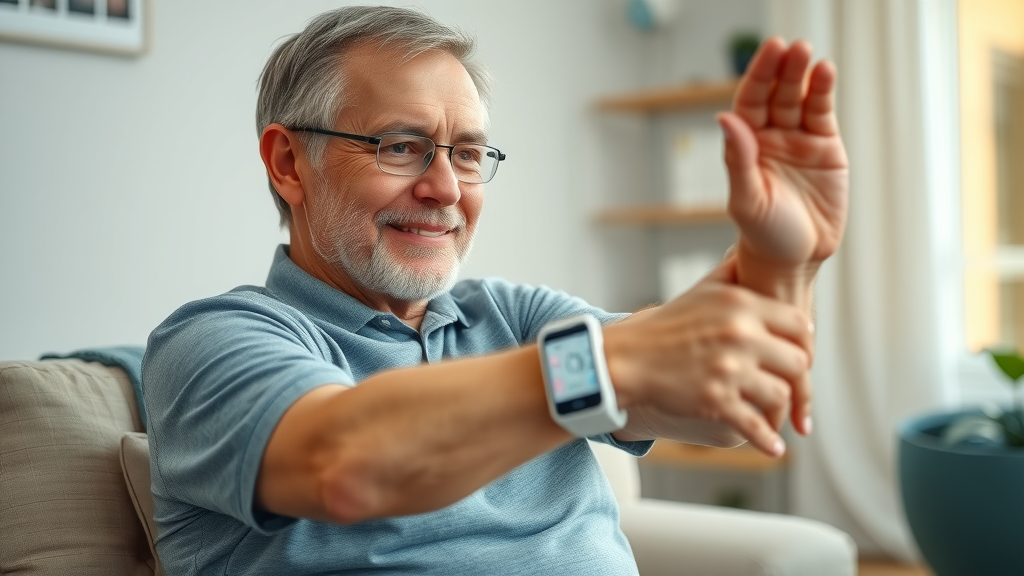
RTM for physicians wearable therapy at home

What are the data privacy requirements for RTM for physicians?

  • Physicians must ensure RTM solutions meet HIPAA and other healthcare data security standards . This includes using platforms with end-to-end encryption, access controls, routine security audits, and robust protocols for safeguarding sensitive health data. Patients’ trust depends on your practice’s vigilance and adherence to best-in-class privacy practices.

Overcoming Common Challenges in Adopting RTM for Physicians

  1. Addressing physician and staff resistance: Introducing RTM for physicians may face pushback due to workflow changes or perceived technology burdens. Education, hands-on demos, and showcasing early clinical wins can foster buy-in and demystify the process for teams at all levels.
  2. Streamlining patient onboarding: Patient engagement is crucial. Simplify onboarding with clear guides, offer live support for setup, and address privacy concerns head-on. Emphasizing the benefits—like more convenient care and real-time feedback—helps patients embrace RTM tools faster.
  3. Integrating RTM with existing EMR/EHR systems: Seamless integration ensures RTM data becomes part of the standard clinical record rather than an isolated workflow. Work with RTM providers who offer robust, customizable API connections and ensure staff are trained on new data streams within the EMR/EHR.
  4. Cost management and maximizing practice ROI: Upfront investment in RTM platforms can be offset by improved patient retention, reduced complications, and new revenue streams through billing codes. Monitor ROI by analyzing both clinical and financial performance quarterly, refining processes as needed.

RTM for physicians EMR integration IT configuration

Case Study: RTM for Physicians Leading to Improved Patient Outcomes

  • Example of musculoskeletal therapy management using RTM: Consider a patient recovering from knee replacement surgery. Using an RTM platform, the physician tracks daily exercise completion, self-reported pain levels, and mobility milestones. Sudden changes—such as missed exercises or an increase in pain—trigger alerts for timely telehealth interventions, keeping the recovery on track.
  • Impact on patient satisfaction and clinical metrics: In this scenario, post-implementation data revealed a 20% increase in patient satisfaction scores and fewer complications compared to the prior year’s non-RTM cohort. Clinicians noted a rise in therapy completion rates and a decrease in unscheduled hospital visits.
  • Physician perspectives on workflow efficiency: Physicians involved in the pilot program highlighted time savings and reduced administrative burdens. With RTM, they spent less time chasing down missed appointments and more time delivering proactive, targeted interventions—bringing new efficiency to their practice.

RTM for physicians telemedicine video recovery update

Best Practices and Tips for Physicians Utilizing RTM

  • Start with a pilot group: Select a manageable patient population—such as those undergoing physical rehabilitation or medication management—to test RTM workflows before scaling practice-wide.
  • Prioritize patient communication and feedback: Maintain open lines of dialogue. Solicit patient feedback on RTM tools, processes, and perceived value to strengthen engagement and identify areas for improvement.
  • Regularly review and act on RTM dashboard insights: Schedule dedicated times for physicians or care teams to assess patient dashboards, address alerts promptly, and make timely care plan adjustments.
  • Engage multidisciplinary teams: RTM works best when nurses, therapists, and IT staff collaborate, ensuring holistic patient support and smooth technology operations.

Frequently Asked Questions About RTM for Physicians

  • Who can bill for RTM services in a physician group? Licensed clinical staff under physician supervision—including nurse practitioners, clinical therapists, and physician assistants—can bill for RTM services as part of a physician group, subject to compliance with scope-of-practice and payer guidelines.
  • What kind of devices qualify for RTM data collection? Devices must support secure, accurate collection of therapeutic data (e.g., wearables for musculoskeletal activity, smart inhalers, mobile applications for medication adherence) and meet FDA and HIPAA guidelines. Always confirm platform certification before onboarding.
  • How do patients interact with RTM platforms? Patients typically receive instructions via user-friendly mobile apps or web portals, logging daily therapy data, completing symptom surveys, or syncing wearable data. Most platforms send reminders, offer feedback, and flag anomalies, making engagement straightforward even for those less familiar with digital health technology.

Summary: Championing Superior Patient Care Through RTM for Physicians

  • RTM for physicians is the future of proactive, personalized care—driving superior clinical outcomes and patient satisfaction.
  • Embrace RTM today to stay ahead of regulatory trends and maximize your practice’s impact.
  • The landscape for digital therapeutics continues to evolve; ongoing adoption ensures your practice remains at the forefront of quality care delivery.

Senior Home Services

25 Views

0 Comments

Write A Comment

*
*
Please complete the captcha to submit your comment.
Related Posts All Posts
09.14.2026

Caregiver Employee Benefits: Help Keep Great People

When a trusted caregiver leaves, what does it cost the employees, families and clients who depended on that relationship?Senior-living communities, home-care agencies and other organizations serving older adults rely on employees who bring patience, judgment and consistency to demanding work. Recruiting a replacement may fill a schedule, but it does not immediately replace trust or experience.Competitive pay matters. So do benefits that employees can understand and use. EHP may offer qualifying employers a way to strengthen the employee benefit package while potentially reducing employer FICA taxes by approximately $639 per enrolled employee per year.Caregivers need practical care tooEmployees who care for other people frequently put their own needs last. Work schedules, family responsibilities, transportation and appointment availability can make routine care difficult to arrange.EHP works with Revive Health, a virtual-care platform that may provide access to primary care, 24/7 urgent care, mental-health support, prescription benefits and weight-health resources. Exact services and eligibility should be confirmed through the employer review.For caregivers and support staff, convenient access can make a benefit feel real. For an employer, demonstrating concern for employees’ health and families can strengthen the overall employment relationship.The business side of the equationEHP reports potential employer FICA savings of approximately $639 annually for each qualifying employee who enrolls. Consider the illustrative impact:25 enrolled employees: approximately $15,975 annually50 enrolled employees: approximately $31,950 annually100 enrolled employees: approximately $63,900 annuallyThese are not guaranteed savings. The number of people on payroll is not necessarily the number eligible or enrolled. The employer’s census, current health coverage, payroll information and participation must be reviewed before the opportunity can be calculated responsibly.Better benefits without replacing everythingEmployers may assume that offering more value means replacing the existing health plan or accepting another large expense. EHP is positioned differently: as an additional preventive-care program that may work alongside the company’s current benefits.The current broker and health plan do not automatically disappear. The appropriate question is whether EHP can complement what is already offered, make common care easier to access and help offset a portion of employment costs.Keeping implementation manageableSenior-care organizations cannot afford employee confusion or a difficult rollout. A benefit is not valuable if managers spend months explaining it or the payroll team must invent the process.EHP says its white-glove enrollment team handles most of the onboarding, including employee education and enrollment coordination. Employers should still involve their appropriate payroll, tax, legal and benefits advisers, but they are not expected to become the technical sales team.Questions for senior-care leadershipWhat are we doing to retain our most dependable caregivers and support staff?Do employees understand and use the benefits we currently offer?Would easier access to care and mental-health support matter to our workforce?How are annual benefit increases affecting our operating budget?How many employees may meet EHP’s eligibility requirements?What could approximately $639 per qualifying enrolled employee allow us to reinvest?Find out whether the fit is realEHP generally begins discovery with companies having at least 10 full-time W-2 employees. Not every employer or employee qualifies, and the program must be evaluated using the organization’s actual facts.A 20-minute conversation will not solve every workforce challenge. It can answer the first important question: is there enough potential employee and employer value to justify a confidential review?Request a confidential 20-minute Employer Savings Review.

08.18.2025

Telehealth solutions: Avoid Costly Mistakes in Virtual Care

Did you know that nearly 90% of healthcare organizations use telehealth solutions and report improved patient satisfaction, yet over 30% encounter avoidable virtual care errors impacting quality outcomes? These errors can result in unnecessary expenses, lost time, and even reduced patient trust. In today’s fast-evolving digital healthcare environment, choosing the right telehealth solution isn’t just important—it’s essential to safeguard your practice, deliver quality care, and maintain a competitive edge. This guide will help you navigate the critical choices in telehealth solutions, revealing actionable insights so you can avoid costly mistakes and achieve measurable results. Discover Why Choosing the Right Telehealth Solutions is Critical to Success Nearly 90% of healthcare organizations implementing telehealth solutions report improved patient satisfaction, yet more than 30% struggle with avoidable errors that threaten care quality. Learn how to safeguard your virtual care journey. As telehealth solutions rapidly become the norm in virtual care , it’s essential for healthcare providers to recognize the direct impact these systems have on both patient outcomes and operational success. Selecting the right telehealth solution ensures that your services—whether urgent care , primary care, or mental health—are delivered efficiently and securely. However, poor choices often mean more than just technical hiccups: they can lead to data breaches, frustrated staff, unhappy patients, and regulatory penalties. For example, failure to properly integrate a telehealth app into your existing system could result in dropped virtual visits and missed follow-ups, decreasing the quality care your patients expect. Understanding the stakes underscores why telehealth solutions must be more than “good enough”—they need to be exactly right for your unique health system. As you consider the best telehealth solutions for your organization, it's also valuable to explore how technology is transforming care for specific populations. For instance, recent trends and innovations in senior care highlight how digital tools are enhancing independence and quality of life for older adults, offering insights that can inform your virtual care strategy. What You'll Gain by Mastering Telehealth Solutions Key factors behind successful ehealth solution implementation Proven tactics to avoid costly virtual care mistakes Actionable strategies for optimizing health solutions for urgent and primary care A breakdown of essential telehealth solution features Insights into the top platforms and their applications Mastering telehealth solutions means transforming every virtual visit into an engaging, secure, and hassle-free experience for your patients and staff. You will discover how top healthcare systems maximize patient engagement using the right health app features—improving adherence, reducing no-shows, and boosting satisfaction across the care continuum. Additionally, you’ll gain expertise in implementing ehealth solutions that fully comply with regulations while easily merging with your existing infrastructure. From optimizing workflows to supporting both urgent care and primary care , the strategies outlined here will empower you to maximize ROI and provide leading-edge virtual health services, raising the standard for quality care. The Impact of Telehealth Solutions: Revolutionizing Health Solutions Ehealth Solution Adoption: Trends and Data Recent Telehealth Solutions Adoption and Outcomes Year Adoption Rate (%) Improved Patient Outcomes (%) Cost Savings (US$ Millions) 2022 72 55 340 2023 87 64 510 2024 91 69 610 The adoption of ehealth solutions continues to skyrocket, with recent data showing that more than 90% of health systems now use some form of virtual care . Notably, these platforms deliver measurable benefits—from millions in annual savings to significant gains in patient outcomes. Such results demonstrate why telehealth solutions are at the heart of today’s healthcare innovation, reshaping how care is accessed and managed. As healthcare providers increasingly rely on virtual visits , they experience improvements in efficiency, patient reach, and the ability to scale care delivery even in resource-constrained settings. This makes investing in an optimal telehealth solution not just smart—it’s a necessity for competitive, high-quality care. Telehealth Solution Benefits for Virtual Care and Quality Care Expanded access to urgent care, mental health, and primary care services Seamless integration with healthcare systems and health apps Enhanced patient engagement through mobile apps Telehealth solutions unlock unprecedented access to essential health services, transcending geographical and logistical barriers for millions of patients. Whether the need is urgent care at a moment’s notice or ongoing support for chronic and mental health conditions, these solutions ensure that patients can reach the right care provider exactly when needed. What’s more, seamless integration with existing health apps and healthcare systems simplifies the experience for both patients and professionals. Features such as intuitive mobile app navigation, real-time health tracking, and secure communication directly contribute to high levels of patient engagement and improved quality care. “Effective telehealth solutions not only streamline operations but enable providers to deliver exceptional care—digitally and at scale.” Common Mistakes When Implementing Telehealth Solutions in Virtual Care Neglecting data privacy or compliance requirements Choosing the wrong telehealth platform for your needs Underestimating training and onboarding for virtual visits Overlooking the integration with existing healthcare systems Not prioritizing patient experience in telehealth app design Even the best intentions can go awry in virtual care if critical implementation steps are skipped. A common error is failing to account for privacy and compliance—a lapse that can result in significant fines and reputational harm. Similarly, mismatching your needs with an ill-suited telehealth solution often leads to system bottlenecks, fragmented care delivery, and patient frustration. Insufficient staff and patient training are another frequently overlooked pitfall. When users aren’t fully comfortable with the telehealth app or virtual visit process, misunderstandings and missed opportunities multiply. Robust onboarding and phased rollouts mitigate these risks, allowing your organization to achieve seamless adoption and deliver the quality care your patients deserve. How to Choose the Best Telehealth Solution for Your Health Services Essential Features in Telehealth Solutions and Ehealth Solution Providers Video and secure messaging for urgent care and virtual visits Mobile app accessibility for both providers and patients Support for mental health and primary care modules Compliance with regulatory standards (HIPAA, GDPR, etc.) Analytics for tracking quality care outcomes When evaluating telehealth solutions, prioritize features tailored to your health services model. Secure video consultations and messaging are fundamental for urgent and routine care, while provider- and patient-friendly mobile apps enhance usability and accessibility on any device. Top ehealth solution providers also offer plug-and-play modules purpose-built for mental health and primary care , ensuring you meet the full spectrum of patient needs. It’s vital to confirm that any telehealth provider aligns with your regulatory obligations, such as HIPAA and GDPR. Built-in analytics deliver continuous feedback, letting you track performance and outcomes in quality care delivery. By choosing ehealth solutions equipped with all these elements, you lay a foundation for safe, scalable, and efficient care. Case Study: Avoiding Costly Errors with Leading Telehealth Solutions "Our health system reduced virtual care errors by 40% within three months of adopting a tailored telehealth solution." Consider the case of a mid-sized health system that struggled with disjointed virtual visits and frequent communication mishaps using an outdated telehealth platform. After switching to a leading-edge telehealth solution designed specifically for healthcare providers, the organization saw a dramatic reduction in patient-related errors—from lost appointment data to misunderstandings during remote consultations. This transformation was powered by comprehensive staff training, robust data security, and streamlined integration with existing health app infrastructure. The result? Improved clinician satisfaction, greater patient trust, and a proven path to delivering quality care at scale. Comparing Leading Telehealth Platforms and Health Solutions Comparison of Top Telehealth Solution Providers Platform Usability Feature Set Security Scalability Best For Teladoc Intuitive Interface, Easy Navigation Urgent Care, Mental Health, Analytics HIPAA-Compliant, Encrypted Enterprise-level Large Health Systems, Payers Amwell User-Friendly, Multi-Language Primary Care, Virtual Visits, Integration GDPR, HIPAA, High Security Multi-site Hospital Networks, Clinics MDLive Modern UI, Mobile App Video Visits, Messaging, Mental Health End-to-End Encryption Scalable Cloud Small/Medium Practices Comparing leading health solutions saves time and frustration. Whether you manage a large hospital network or a smaller practice, matching your needs to the right telehealth solution is key. Teladoc and Amwell lead in enterprise functionality and regulatory compliance, while MDLive offers robust support for smaller clinics focusing on primary care and mental health. Look for flexibility, security, and proven reliability—these are the pillars of any high-performing telehealth solution . For organizations making their first foray into virtual care , a clear comparison helps set realistic expectations and facilitates smoother launches. Maximizing Patient Engagement with Telehealth Apps and Virtual Visits Role of Mobile Apps in Delivering Virtual Care Intuitive telehealth app interfaces boost virtual visit participation Push notifications to enhance appointment attendance Integrated health app features for self-management A mobile app is often the first touchpoint for patients using virtual care, making user experience paramount. Top telehealth apps leverage intuitive interface design and personalized alerts to increase appointment attendance and streamline patient self-management. For example, automated push notifications remind users of upcoming virtual visits or medication refills—leading to better adherence and outcomes. The latest health app features include two-way secure messaging, video conferencing, and integration with wearable health devices. These real-time functions transform each virtual encounter into an interactive, patient-centered experience that goes beyond simple consultations, supporting sustained engagement and ongoing health management. People Also Ask What is the meaning of telehealth solutions? Telehealth solutions are technology-driven methods that enable healthcare providers to deliver a wide range of services—including virtual care, urgent care, and primary care —via secure digital platforms. These solutions use telehealth apps and virtual visits to expand access, streamline communication, and enhance the quality of care delivered remotely. Defining Telehealth Solutions for Modern Healthcare In the modern healthcare landscape, telehealth solutions represent essential tools for connecting patients and providers when in-person visits aren’t feasible. They encompass video visits, mobile health apps, remote monitoring tools, and secure messaging, all tailored to different types of health services and patient populations. The main goal of these solutions is to improve healthcare access, efficiency, and patient outcomes. Telehealth solutions refer to technology-driven methods for providing health services—including virtual care, urgent care, and primary care—via secure digital platforms, such as telehealth apps or virtual visits, to improve access and quality of care. What is the most used telehealth platform? The most used telehealth platforms include industry leaders like Teladoc, Amwell, and MDLive. These platforms are trusted by major health systems for their robust mobile apps, comprehensive service offerings, and secure infrastructures, enabling healthcare providers to offer a broad range of virtual care services, from urgent care to ongoing chronic condition management. Industry-Leading Telehealth Platforms and Adoption Rates Platforms such as Teladoc and Amwell consistently rank at the top due to high adoption rates among both providers and patients. Their continuous investment in user experience, security, and integration means that they’re frequently recommended by industry authorities for organizations aiming to deliver high-quality virtual visits at scale. Currently, platforms like Teladoc, Amwell, and MDLive are among the most used telehealth solutions by healthcare systems, offering a wide range of health solutions for virtual care through robust mobile apps and secure communications. Which telehealth company is best? The ideal telehealth company for your needs depends on the scope and requirements of your health system. Top companies distinguish themselves with user-friendly interfaces, end-to-end security, full integration capabilities, and modular options for urgent, mental health, and primary care. Choosing the best partner involves matching these attributes with your clinical and technical goals. Selecting the Best Telehealth Company Based on Healthcare Needs Start by identifying your organization’s priorities—like rapid scaling, ease of integration with existing health apps, or advanced analytics for tracking outcomes—and ensure your chosen telehealth solution can deliver on these needs. Strong customer service and a track record of reliable care delivery are also critical in making the best choice. The best telehealth solution depends on your organization’s specific requirements, such as the need for urgent or mental health care, integration with existing health apps, and compliance. Top health solutions stand out due to user-friendliness, security, and quality care delivery. What are the three types of telehealth? Telehealth solutions can be divided into three main types: synchronous, asynchronous, and remote patient monitoring. Each supports different care delivery models and serves unique clinical objectives in both urgent care and primary care settings. Types of Telehealth Solutions: An Overview Synchronous telehealth involves live video visits connecting patients and providers in real time. Asynchronous telehealth uses secure messaging, record sharing, and document uploads, allowing for flexible communication and follow-up. Remote patient monitoring tracks health metrics over time to manage chronic conditions or support recovery from a distance. Telehealth solutions typically include synchronous (live video visits), asynchronous (secure messaging and document exchanges), and remote patient monitoring—each supporting different health services within a comprehensive ehealth solution framework. Best Practices for Implementing Telehealth Solutions and Virtual Care Assess your healthcare system’s needs for urgent care and primary care Evaluate telehealth solution providers using tailored criteria Train staff and patients on the health app or telehealth platform Ensure ongoing compliance and quality assurance Collect and act on user feedback for continuous improvement Successful telehealth implementation requires a holistic approach, beginning with a thorough assessment of your health system’s priorities and current pain points. Evaluate telehealth solution providers against clear benchmarks—user experience, integration, security, and scalability are all non-negotiable standards. Don’t overlook the vital role of education. Both staff and patients benefit from comprehensive training on the selected telehealth app to foster engagement and minimize confusion during live virtual visits . Finally, continuous monitoring ensures you adapt quickly to evolving needs and patient feedback, keeping your health solutions effective and ahead of the curve. Answers to Frequently Asked Questions About Telehealth Solutions How secure are telehealth solutions for patient data? Leading telehealth solutions adhere to strict data privacy regulations, such as HIPAA and GDPR, employing encryption and regular security audits to protect sensitive patient information. Always confirm your selected platform’s certifications and security protocols before implementation. Can telehealth apps be used for mental health care? Absolutely. Modern telehealth apps are designed for a wide array of services, including mental health care. They offer secure video calls and confidential messaging, allowing mental health professionals to deliver therapy, counseling, and medication management virtually. What are the limitations of virtual visits compared to in-person care? Virtual visits are ideal for routine consultations but are limited for procedures requiring physical examination or hands-on diagnostics. Clear protocols and patient education ensure appropriate triage between in-person and virtual care, optimizing safety and outcomes. How do telehealth solutions support ongoing patient engagement? Telehealth solutions foster engagement through features like automated appointment reminders, health tracking via integrated apps, and direct messaging. These touchpoints encourage patients to remain proactive about their health, leading to better long-term results. Key Takeaways for Selecting the Right Telehealth Solutions Choose telehealth solutions with robust security and flexibility Prioritize user experience in telehealth app design and virtual visits Support a range of health services, from urgent care to mental health Commit to ongoing staff training and patient education Every healthcare provider should focus on these pillars when selecting or upgrading their virtual care technology. Prioritizing best-in-class telehealth solutions ensures a future of resilient, patient-centered, and cost-effective care delivery. Ensure Virtual Care Success: Start with the Right Telehealth Solutions Today Take the next step—schedule a demo or request a free evaluation today to discover how our telehealth solution elevates your health services and protects you from costly mistakes. Video: How Telehealth Solutions Transform Health Systems Discover the journey of leading health systems using telehealth solutions to expand access, drive efficiency, and achieve measurable quality care outcomes. Watch our expert panel discuss real-world case studies and tips for rapid success. Video: Top Features to Look for in Leading Telehealth Platforms See the must-have features in action that separate top-tier telehealth solutions from the rest. This video breakdown covers usability, integration, security, and support for urgent and primary care in a modern healthcare landscape. Take action today—embrace proven telehealth solutions to protect your organization, empower your staff, and deliver the virtual care experiences that patients demand. As you continue to refine your virtual care approach, remember that the future of healthcare is shaped by those who proactively adapt to new technologies and evolving patient needs. Exploring how digital innovation is revolutionizing care for diverse populations—such as seniors—can offer fresh perspectives and inspire your next steps. For a deeper dive into how technology is empowering independence and transforming the landscape of senior care, visit our feature on emerging trends and innovations in senior care . By broadening your understanding of these advancements, you’ll be better equipped to deliver exceptional, future-ready health solutions for every patient you serve.

06.12.2025

Chronic disease management: Take Control with These Proven Tips

Did you know that one in three adults is living with a chronic disease? This staggering reality means that nearly every family is touched by long-term health conditions—yet most people underestimate the transformative power of proactive chronic disease management . Whether you or a loved one are facing heart disease, diabetes, or another persistent health challenge, the right management strategies can dramatically improve daily life, boost well-being, and even prolong your years. Read on to discover proven ways to take charge of your health and thrive, no matter where you or your loved ones are on the journey. One in Three Adults Have a Chronic Disease: Why Chronic Disease Management Matters Now Chronic disease management is essential for millions, yet many people underestimate how overwhelmingly these conditions shape lives. The impact goes far beyond physical symptoms—it affects families, daily routines, finances, and emotional health. But by recognizing the scale of chronic disease prevalence— one in every three adults —we can understand just how vital disease management is, not only at the personal level, but as a major public health imperative. With improved disease management approaches, people experience fewer complications, retain independence longer, and report a higher quality of life. In the United States, over half of all adults live with at least one chronic health condition, further emphasizing the need for individuals and communities to prioritize management strategies. This article will equip you with the knowledge and confidence to take control of chronic diseases for yourself or your loved ones. How This Guide Empowers Your Chronic Disease Management Journey This comprehensive guide is designed to provide you with up-to-date, actionable chronic disease management strategies. We’ll break down the latest research, highlight innovative management programs, and guide you through integrating physical activity and healthy behaviors into your life. You’ll explore the important connection between mental health and chronic disease, giving you the well-rounded perspective needed for lasting improvements. Whether you’re newly diagnosed or seeking better ways to manage longstanding conditions, you’ll find practical advice and resources within these pages. This guide will help you understand the options available, empower you to become an active participant in your care, and support you in building habits that make a genuine difference every day. What You’ll Gain from Mastering Chronic Disease Management Understand the fundamentals and importance of chronic disease management Identify effective disease management strategies for chronic diseases Explore management programs and their effectiveness Gain tips for integrating healthy behaviors like physical activity Recognize public health implications and lasting benefits What is Chronic Disease Management? Key Principles Explained Definitions and Types of Chronic Diseases Requiring Management The terms chronic disease and chronic condition are often used interchangeably, but it’s helpful to understand their distinctions. Chronic diseases refer to ongoing health issues that tend to last a year or more and require ongoing medical attention, including heart disease , diabetes, arthritis, and certain respiratory conditions. Chronic conditions can include not just diseases, but also disorders and syndromes—like hypertension, asthma, or autoimmune disorders—that demand ongoing care or lifestyle adjustments. Major chronic diseases —such as heart disease , type 2 diabetes, and arthritis—are the leading causes of disability and death in the United States. What sets them apart is not just their duration, but their profound effect on daily life and the necessity for lifelong vigilance and care. Effective chronic disease management is not a one-off task—it’s a lifelong process. Success depends on continual self-care, regular monitoring, and strong collaboration with health care professionals and community resources. Medical Management of Chronic Disease: A Multidisciplinary Process Optimal disease management is rarely a solo journey. Instead, it’s a collaborative process involving doctors, nurses, pharmacists, and allied health care professionals who tailor treatment to your needs. Their roles range from prescribing medications and tracking your progress, to coordinating care and providing ongoing education. Successful chronic disease management includes medication adherence, routine monitoring of symptoms or biomarkers, and giving patients the knowledge to make informed choices. Tools like digital apps for tracking health data and telehealth check-ins with your care provider are increasingly standard. The relationship you develop with your medical team should be one of continuous support, with a focus on long-term, patient-centered care. This approach not only makes it easier to manage daily symptoms, but significantly boosts long-term health outcomes and quality of life. “Effective chronic disease management is not about curing, but about empowering people to live well with their conditions.” – World Health Organization Proven Strategies for Chronic Disease Management: Putting Knowledge into Practice Creating an Individualized Chronic Disease Management Program Every person’s health journey is unique. That’s why creating a personalized management program starts with an honest assessment of your specific needs, risks, and lifestyle. Your care provider can help identify challenges, whether it’s managing medication side effects, fitting physical activity into your schedule, or addressing hurdles with access to healthy foods. Customizing your disease management plan may include enlisting a nutritionist, using health apps for tracking, or joining a support group. Digital tools and wearables can track blood pressure, glucose, or activity—helping you and your medical team adjust the management strategy as needed. Remember, your program should evolve over time. As your goals, health, and circumstances change, regular check-ins with your care team help ensure your management plan always fits your reality. Incorporating Physical Activity into Disease Management Programs Decades of research confirm that regular, moderate physical activity is vital for controlling many chronic diseases. For conditions such as heart disease , diabetes, and arthritis, engaging in walking, swimming, strength training, or gentle yoga can reduce symptoms, lower medication needs, and reduce hospitalizations. It’s important to follow guidelines tailored to your specific condition. Most chronic disease management programs recommend at least 150 minutes a week of moderate exercise, ideally approved by your health care team. Start slowly and adjust intensity as you build endurance. For example, a recent study showed that patients with heart disease who walked for 30 minutes, five days a week had improved cardiovascular function and saw a drop in heart failure admissions. Safe and enjoyable physical activity is a cornerstone of effective chronic disease management. Nutrition and Chronic Disease Management: Fueling Health Care from the Inside Out Diet plays a pivotal role in managing chronic diseases like diabetes and heart disease. For instance, eating plenty of fruits, vegetables, lean proteins, and whole grains helps control blood sugar, reduces inflammation, and lowers heart disease risk. Limiting saturated fats, sugars, and excess sodium is equally important. Regular meal planning makes healthy eating sustainable. Use tools or apps for recipe inspiration and grocery lists. Sample nutritious, chronic-disease-friendly recipes include oatmeal with berries for breakfast, grilled salmon with quinoa for lunch, and roasted vegetables for dinner—each packed with fiber and antioxidants for strong health outcomes. Collaboration with your health care team or a registered dietitian can further personalize your plan. They can offer specialized advice and ongoing encouragement, making it easier to adapt to your evolving health needs and preferences. Stress, Mental Health, and Their Impact on Chronic Diseases Chronic conditions don’t only challenge your body—they impact your mind. Recognizing the psychological weight of living with ongoing health issues is a vital first step in comprehensive disease management . Studies have linked chronic diseases with increased rates of anxiety and depression, underscoring the need for holistic support. Science-backed stress management techniques—such as mindfulness meditation, deep breathing, or therapy—can improve both mood and physical health outcomes. Regularly practicing these skills helps reduce stress hormones, support immune function, and enhance resilience. Building a strong support network is equally crucial. Whether you join a local support group, seek counseling, or participate in community programs, these connections improve not just emotional health, but also the ability to stick with challenging lifestyle changes for the long term. Comparing Disease Management Programs: What Works Best? Overview of Leading Chronic Disease Management Programs and Their Core Features Program Type Key Features Best For Support Hospital-Based Management Programs Specialist oversight, medication optimization, structured rehab Advanced or complex chronic conditions Doctors, nurses, pharmacists Community-Based Programs Peer support, group education, public health outreach General chronic disease maintenance, early intervention Community health workers, support groups Digital/Telehealth Programs Remote monitoring, virtual consults, app-based tracking People with limited mobility or rural access Telehealth staff, remote medical teams Evaluating Popular Chronic Disease Management Programs In-hospital management programs provide intensive, individualized care, especially for people with complex chronic diseases like severe heart failure or uncontrolled diabetes. They offer comprehensive monitoring, medication adjustment, and direct, multidisciplinary support. On the other hand, community-based programs foster long-term habit change through group education, peer-led activities, and local outreach, making them indispensable for widespread public health improvement. The rapid rise of telehealth has transformed access to care, allowing patients to connect with their care providers regardless of physical location. From digital symptom tracking to secure video appointments, these solutions bridge gaps for those living in rural or underserved communities. Ultimately, the most successful management program is the one that fits your lifestyle, values, and health needs. Public health strategies encourage scaling up what works locally, such as community education and preventive screening, to support the greatest number of people. "A management program that fits your lifestyle can reduce hospitalizations and give you control over your health journey." Chronic Disease Management and Public Health: A Broader Perspective Public Health Initiatives Advancing Chronic Disease Management Strong government policies —such as broader insurance coverage for management programs, and funding for community clinics—play a major role in making chronic disease management accessible to all. For example, the Centers for Disease Control and Prevention (CDC) funds local initiatives that boost education and early intervention. Community-based education increases awareness about chronic diseases and empowers individuals with the knowledge to take actionable steps. Outreach programs, local health fairs, and support groups all contribute significantly to disease control. The most effective public health approaches prioritize preventive care . By promoting early screening, vaccination, and lifestyle modifications, public health systems help reduce new cases and prevent complications in those already living with chronic disease. Three Ways of Managing Chronic Diseases: A Practical Guide Medical interventions —such as medications, surgery, or specialized therapies—are often necessary to control symptoms and prevent complications in chronic diseases like diabetes or heart failure. Lifestyle and behavioral modifications —regular physical activity, improved nutrition, limiting alcohol or tobacco, and managing stress—have a dramatic effect on health outcomes and are just as important as medical therapy. Support and education —including counseling, peer groups, and ongoing education—equip individuals to manage their chronic condition with resilience and confidence, offering tools for long-term success. The 5 C's of Chronic Disease: Elements Every Management Program Needs Comprehensive care : integrating physical, mental, and social health Continuity : long-term strategies and follow-up Coordination : seamless collaboration between health care providers Communication : open, ongoing dialogue with your care team Collaboration : involvement of family, support networks, and community "A chronic disease management plan is most effective when built on the 5 C's: Comprehensive care, Continuity, Coordination, Communication, and Collaboration." Chronic Disease Management Program: What Is It and Who Benefits? A chronic disease management program is a structured system that helps patients manage long-term health conditions through coordinated care, education, and regular monitoring. These programs rely on a multidisciplinary approach, engaging doctors, nurses, health coaches, and sometimes social workers, to build a robust support network. Management programs improve quality of life by reducing symptoms, preventing complications, and fostering self-confidence in daily self-care. Research shows that people enrolled in such programs are less likely to be hospitalized and enjoy greater independence. Access is expanding. Many programs are available through hospitals, community centers, or even covered by insurance. Personalizing your own management program ensures that the unique needs of your lifestyle, health goals, and support network are all considered. People Also Ask: Chronic Disease Management FAQs What is the medical management of chronic disease? Medical management of chronic disease integrates medication, ongoing monitoring, patient education, and lifestyle interventions tailored to individual needs. By partnering with care providers , patients can effectively control symptoms, reduce risks of complications, and foster long-term health outcomes . The process is dynamic and adapts as your health changes. What are the three ways of managing chronic diseases? The three primary ways are: medication and regular medical care, lifestyle modifications (including diet and physical activity ), and emotional/social support through education and engagement with community resources . All three are essential for successful, sustainable chronic disease management. What are the 5 C's of chronic disease? The 5 C's of management are Comprehensive care, Continuity, Coordination, Communication, and Collaboration. These elements remain at the core of every effective chronic disease management plan. What is the chronic disease management program? A chronic disease management program is an organized, structured approach that helps people with long-term conditions maintain their health, prevent complications, and optimize daily functioning. These programs offer coordinated care, education, monitoring, and supportive services, generally involving a multidisciplinary health team. Top 10 Actionable Chronic Disease Management Tips Monitor your health regularly with professional guidance Build physical activity into your daily routine Adopt a nutritious, chronic-disease-friendly diet Create a realistic medication adherence plan Manage stress levels through mindfulness and support Set achievable, measurable health goals Connect with community or online support groups Schedule consistent health care checkups Use digital tools for symptom and data tracking Regularly review and adapt your management program Expert Answers: Your Chronic Disease Management FAQs What are the first steps to creating a chronic disease management program? Start by completing a thorough health assessment with your health care provider , set realistic goals based on your priorities, and explore available resources for ongoing education and support. Taking these steps builds a strong foundation for successful, individualized disease management . How do I stay motivated while managing a chronic condition? Focus on celebrating small achievements, consistently track your progress, and seek encouragement from both peers and professionals. These strategies reinforce positive actions and build resilience, which is crucial for long-term success in managing chronic diseases. Final Thoughts: Embracing Proven Chronic Disease Management for a Healthier Future By integrating these proven chronic disease management strategies into your daily routine, you hold the key to a longer, fuller, and more empowered life. Start your journey today and take control of your chronic disease with confidence.

© 2026 [CompanyName] All Rights Reserved. [Company Address], , . Contact Us . Terms of Service . Privacy Policy

eyJjb21wYW55IjoiW0NvbXBhbnlOYW1lXSIsImFkZHJlc3MiOiJbQ29tcGFueSBBZGRyZXNzXSIsImNpdHkiOiIgIiwic3RhdGUiOiIgIiwiemlwIjoiICIsImVtYWlsIjoiZW1haWxAZW1haWwuY29tIiwidG9zIjoiUEhBK1BITjBjbTl1Wno0OFpXMCtWMmhsYmlCNWIzVWdjMmxuYmkxcGJpQjNhWFJvSUhWekxDQjViM1VnWVhKbElHZHBkbWx1WnladVluTndPeUI1YjNWeUlIQmxjbTFwYzNOcGIyNGdZVzVrSUdOdmJuTmxiblFnZEc4Z2MyVnVaQ0I1YjNVZ1pXMWhhV3dnWVc1a0wyOXlJRk5OVXlCMFpYaDBJRzFsYzNOaFoyVnpMaUJDZVNCamFHVmphMmx1WnlCMGFHVWdWR1Z5YlhNZ1lXNWtJRU52Ym1ScGRHbHZibk1nWW05NElHRnVaQ0JpZVNCemFXZHVhVzVuSUdsdUlIbHZkU0JoZFhSdmJXRjBhV05oYkd4NUlHTnZibVpwY20wZ2RHaGhkQ0I1YjNVZ1lXTmpaWEIwSUdGc2JDQjBaWEp0Y3lCcGJpQjBhR2x6SUdGbmNtVmxiV1Z1ZEM0OEwyVnRQand2YzNSeWIyNW5Qand2Y0Q0S0NqeHdQanhoSUdoeVpXWTlJbWgwZEhBNkx5OTNkM2N1WjI5dloyeGxMbU52YlNJK2FIUjBjRG92TDNkM2R5NW5iMjluYkdVdVkyOXRQQzloUGp3dmNENEtDanh3UGladVluTndPend2Y0Q0S0NqeHdQanh6ZEhKdmJtYytVMFZTVmtsRFJUd3ZjM1J5YjI1blBqd3ZjRDRLQ2p4d1BsZGxJSEJ5YjNacFpHVWdZU0J6WlhKMmFXTmxJSFJvWVhRZ1kzVnljbVZ1ZEd4NUlHRnNiRzkzY3lCNWIzVWdkRzhnY21WalpXbDJaU0J5WlhGMVpYTjBjeUJtYjNJZ1ptVmxaR0poWTJzc0lHTnZiWEJoYm5rZ2FXNW1iM0p0WVhScGIyNHNJSEJ5YjIxdmRHbHZibUZzSUdsdVptOXliV0YwYVc5dUxDQmpiMjF3WVc1NUlHRnNaWEowY3l3Z1kyOTFjRzl1Y3l3Z1pHbHpZMjkxYm5SeklHRnVaQ0J2ZEdobGNpQnViM1JwWm1sallYUnBiMjV6SUhSdklIbHZkWElnWlcxaGFXd2dZV1JrY21WemN5QmhibVF2YjNJZ1kyVnNiSFZzWVhJZ2NHaHZibVVnYjNJZ1pHVjJhV05sTGlCWmIzVWdkVzVrWlhKemRHRnVaQ0JoYm1RZ1lXZHlaV1VnZEdoaGRDQjBhR1VnVTJWeWRtbGpaU0JwY3lCd2NtOTJhV1JsWkNBbWNYVnZkRHRCVXkxSlV5WnhkVzkwT3lCaGJtUWdkR2hoZENCM1pTQmhjM04xYldVZ2JtOGdjbVZ6Y0c5dWMybGlhV3hwZEhrZ1ptOXlJSFJvWlNCMGFXMWxiR2x1WlhOekxDQmtaV3hsZEdsdmJpd2diV2x6TFdSbGJHbDJaWEo1SUc5eUlHWmhhV3gxY21VZ2RHOGdjM1J2Y21VZ1lXNTVJSFZ6WlhJZ1kyOXRiWFZ1YVdOaGRHbHZibk1nYjNJZ2NHVnljMjl1WVd4cGVtRjBhVzl1SUhObGRIUnBibWR6TGp3dmNENEtDanh3UGxsdmRTQmhjbVVnY21WemNHOXVjMmxpYkdVZ1ptOXlJRzlpZEdGcGJtbHVaeUJoWTJObGMzTWdkRzhnZEdobElGTmxjblpwWTJVZ1lXNWtJSFJvWVhRZ1lXTmpaWE56SUcxaGVTQnBiblp2YkhabElIUm9hWEprSUhCaGNuUjVJR1psWlhNZ0tITjFZMmdnWVhNZ1UwMVRJSFJsZUhRZ2JXVnpjMkZuWlhNc0lFbHVkR1Z5Ym1WMElITmxjblpwWTJVZ2NISnZkbWxrWlhJZ2IzSWdZMlZzYkhWc1lYSWdZV2x5ZEdsdFpTQmphR0Z5WjJWektTNGdXVzkxSUdGeVpTQnlaWE53YjI1emFXSnNaU0JtYjNJZ2RHaHZjMlVnWm1WbGN5d2dhVzVqYkhWa2FXNW5JSFJvYjNObElHWmxaWE1nWVhOemIyTnBZWFJsWkNCM2FYUm9JSFJvWlNCa2FYTndiR0Y1SUc5eUlHUmxiR2wyWlhKNUlHOW1JR1ZoWTJnZ1UwMVRJSFJsZUhRZ2JXVnpjMkZuWlNCelpXNTBJSFJ2SUhsdmRTQmllU0IxY3k0Z1NXNGdZV1JrYVhScGIyNHNJSGx2ZFNCdGRYTjBJSEJ5YjNacFpHVWdZVzVrSUdGeVpTQnlaWE53YjI1emFXSnNaU0JtYjNJZ1lXeHNJR1Z4ZFdsd2JXVnVkQ0J1WldObGMzTmhjbmtnZEc4Z1lXTmpaWE56SUhSb1pTQlRaWEoyYVdObElHRnVaQ0J5WldObGFYWmxJSFJvWlNCVFRWTWdkR1Y0ZENCdFpYTnpZV2RsY3k0Z1YyVWdaRzhnYm05MElHTm9ZWEpuWlNCaGJua2dabVZsY3lCbWIzSWdaR1ZzYVhabGNua2diMllnWlcxaGFXd2diM0lnVTAxVExpQlVhR2x6SUdseklHRWdabkpsWlNCelpYSjJhV05sSUhCeWIzWnBaR1ZrSUdKNUlIVnpMaUJJYjNkbGRtVnlMQ0J3YkdWaGMyVWdZMmhsWTJzZ2QybDBhQ0I1YjNWeUlHbHVkR1Z5Ym1WMElITmxjblpwWTJVZ2NISnZkbWxrWlhJZ1lXNWtJR05sYkd4MWJHRnlJR05oY25KcFpYSWdabTl5SUdGdWVTQmphR0Z5WjJWeklIUm9ZWFFnYldGNUlHbHVZM1Z5SUdGeklHRWdjbVZ6ZFd4MElHWnliMjBnY21WalpXbDJhVzVuSUdWdFlXbHNJR0Z1WkNCVFRWTWdkR1Y0ZENCdFpYTnpZV2RsY3lCMGFHRjBJSGRsSUdSbGJHbDJaWElnZFhCdmJpQjViM1Z5SUc5d2RDMXBiaUJoYm1RZ2NtVm5hWE4wY21GMGFXOXVJSGRwZEdnZ2IzVnlJR1Z0WVdsc0lHRnVaQ0JUVFZNZ2MyVnlkbWxqWlhNdUlGbHZkU0JqWVc0Z1kyRnVZMlZzSUdGMElHRnVlU0IwYVcxbExpQktkWE4wSUhSbGVIUWdKbkYxYjNRN1UxUlBVQ1p4ZFc5ME95QjBieUE4YUdsbmFHeHBaMmgwSUdOc1lYTnpQU0pqYjIxd1lXNTVVR2h2Ym1WVmNHUmhkR1VpUGpFNE5qWXpOelkzT0RNeFBDOW9hV2RvYkdsbmFIUStMaUJCWm5SbGNpQjViM1VnYzJWdVpDQjBhR1VnVTAxVElHMWxjM05oWjJVZ0puRjFiM1E3VTFSUFVDWnhkVzkwT3lCMGJ5QjFjeXdnZDJVZ2QybHNiQ0J6Wlc1a0lIbHZkU0JoYmlCVFRWTWdiV1Z6YzJGblpTQjBieUJqYjI1bWFYSnRJSFJvWVhRZ2VXOTFJR2hoZG1VZ1ltVmxiaUIxYm5OMVluTmpjbWxpWldRdUlFRm1kR1Z5SUhSb2FYTXNJSGx2ZFNCM2FXeHNJRzV2SUd4dmJtZGxjaUJ5WldObGFYWmxJRk5OVXlCdFpYTnpZV2RsY3lCbWNtOXRJSFZ6TGp3dmNENEtDanh3UGp4emRISnZibWMrV1U5VlVpQlNSVWRKVTFSU1FWUkpUMDRnVDBKTVNVZEJWRWxQVGxNOEwzTjBjbTl1Wno0OEwzQStDZ284Y0Q1SmJpQmpiMjV6YVdSbGNtRjBhVzl1SUc5bUlIbHZkWElnZFhObElHOW1JSFJvWlNCVFpYSjJhV05sTENCNWIzVWdZV2R5WldVZ2RHODZQQzl3UGdvS1BHOXNQZ29KUEd4cFBuQnliM1pwWkdVZ2RISjFaU3dnWVdOamRYSmhkR1VzSUdOMWNuSmxiblFnWVc1a0lHTnZiWEJzWlhSbElHbHVabTl5YldGMGFXOXVJR0ZpYjNWMElIbHZkWEp6Wld4bUlHRnpJSEJ5YjIxd2RHVmtJR0o1SUhSb1pTQlRaWEoyYVdObEppTXpPVHR6SUhKbFoybHpkSEpoZEdsdmJpQm1iM0p0SUNoemRXTm9JR2x1Wm05eWJXRjBhVzl1SUdKbGFXNW5JSFJvWlNBbWNYVnZkRHRTWldkcGMzUnlZWFJwYjI0Z1JHRjBZU1p4ZFc5ME95a2dZVzVrUEM5c2FUNEtDVHhzYVQ1dFlXbHVkR0ZwYmlCaGJtUWdjSEp2YlhCMGJIa2dkWEJrWVhSbElIUm9aU0JTWldkcGMzUnlZWFJwYjI0Z1JHRjBZU0IwYnlCclpXVndJR2wwSUhSeWRXVXNJR0ZqWTNWeVlYUmxMQ0JqZFhKeVpXNTBJR0Z1WkNCamIyMXdiR1YwWlM0Z1NXWWdlVzkxSUhCeWIzWnBaR1VnWVc1NUlHbHVabTl5YldGMGFXOXVJSFJvWVhRZ2FYTWdkVzUwY25WbExDQnBibUZqWTNWeVlYUmxMQ0J1YjNRZ1kzVnljbVZ1ZENCdmNpQnBibU52YlhCc1pYUmxMQ0J2Y2lCM1pTQm9ZWFpsSUhKbFlYTnZibUZpYkdVZ1ozSnZkVzVrY3lCMGJ5QnpkWE53WldOMElIUm9ZWFFnYzNWamFDQnBibVp2Y20xaGRHbHZiaUJwY3lCMWJuUnlkV1VzSUdsdVlXTmpkWEpoZEdVc0lHNXZkQ0JqZFhKeVpXNTBJRzl5SUdsdVkyOXRjR3hsZEdVc0lIZGxJR2hoZG1VZ2RHaGxJSEpwWjJoMElIUnZJSE4xYzNCbGJtUWdiM0lnUEhOMGNtOXVaejQ4YzNCaGJpQnpkSGxzWlQwaVkyOXNiM0k2STBaR01EQXdNRHNpUG5SbGNtMXBibUYwWlNCNWIzVnlJR0ZqWTI5MWJuUXZjSEp2Wm1sc1pTQmhibVFnY21WbWRYTmxJR0Z1ZVNCaGJtUWdZV3hzSUdOMWNuSmxiblFnYjNJZ1puVjBkWEpsSUhWelpTQnZaaUIwYUdVZ1UyVnlkbWxqWlNBb2IzSWdZVzU1SUhCdmNuUnBiMjRnZEdobGNtVnZaaWt1UEM5emNHRnVQand2YzNSeWIyNW5Qand2YkdrK0Nqd3ZiMncrQ2dvOGNENG1ibUp6Y0RzOEwzQStDanhvYVdkb2JHbG5hSFFnWTJ4aGMzTTlJbU52YlhCaGJubE9ZVzFsVlhCa1lYUmxJajViUTI5dGNHRnVlVTVoYldWZFBDOW9hV2RvYkdsbmFIUStQR0p5SUM4K0NqeG9hV2RvYkdsbmFIUWdZMnhoYzNNOUltTnZiWEJoYm5sQlpHUnlaWE56VlhCa1lYUmxJajViUTI5dGNHRnVlU0JCWkdSeVpYTnpYVHd2YUdsbmFHeHBaMmgwUGp4aWNpQXZQZ284YUdsbmFHeHBaMmgwSUdOc1lYTnpQU0pqYjIxd1lXNTVVR2h2Ym1WVmNHUmhkR1VpUGpFNE5qWXpOelkzT0RNeFBDOW9hV2RvYkdsbmFIUStQR0p5SUM4K0NqeG9hV2RvYkdsbmFIUWdZMnhoYzNNOUltTnZiWEJoYm5sRmJXRnBiRlZ3WkdGMFpTSStaVzFoYVd4QVpXMWhhV3d1WTI5dFBDOW9hV2RvYkdsbmFIUSsiLCJwcml2YWN5IjoiUEhBK1BITjBjbTl1Wno1UVVrbFdRVU5aUEM5emRISnZibWMrUEM5d1Bnb0tQSEErUEhOMGNtOXVaejVVYUdVZ2FXNW1iM0p0WVhScGIyNGdjSEp2ZG1sa1pXUWdaSFZ5YVc1bklIUm9hWE1nY21WbmFYTjBjbUYwYVc5dUlHbHpJR3RsY0hRZ2NISnBkbUYwWlNCaGJtUWdZMjl1Wm1sa1pXNTBhV0ZzTENCaGJtUWdkMmxzYkNCdVpYWmxjaUJpWlNCa2FYTjBjbWxpZFhSbFpDd2dZMjl3YVdWa0xDQnpiMnhrTENCMGNtRmtaV1FnYjNJZ2NHOXpkR1ZrSUdsdUlHRnVlU0IzWVhrc0lITm9ZWEJsSUc5eUlHWnZjbTB1SUZSb2FYTWdhWE1nYjNWeUlHZDFZWEpoYm5SbFpTNDhMM04wY205dVp6NDhMM0ErQ2dvOGNENDhjM1J5YjI1blBrbE9SRVZOVGtsVVdUd3ZjM1J5YjI1blBqd3ZjRDRLQ2p4d1BqeGxiVDVaYjNVZ1lXZHlaV1VnZEc4Z2FXNWtaVzF1YVdaNUlHRnVaQ0JvYjJ4a0lIVnpMQzRnWVc1a0lHbDBjeUJ6ZFdKemFXUnBZWEpwWlhNc0lHRm1abWxzYVdGMFpYTXNJRzltWm1salpYSnpMQ0JoWjJWdWRITXNJR052TFdKeVlXNWtaWEp6SUc5eUlHOTBhR1Z5SUhCaGNuUnVaWEp6TENCaGJtUWdaVzF3Ykc5NVpXVnpMQ0JvWVhKdGJHVnpjeUJtY205dElHRnVlU0JqYkdGcGJTQnZjaUJrWlcxaGJtUXNJR2x1WTJ4MVpHbHVaeUJ5WldGemIyNWhZbXhsSUdGMGRHOXlibVY1Y3lZak16azdJR1psWlhNc0lHMWhaR1VnWW5rZ1lXNTVJSFJvYVhKa0lIQmhjblI1SUdSMVpTQjBieUJ2Y2lCaGNtbHphVzVuSUc5MWRDQnZaaUJEYjI1MFpXNTBJSGx2ZFNCeVpXTmxhWFpsTENCemRXSnRhWFFzSUhKbGNHeDVMQ0J3YjNOMExDQjBjbUZ1YzIxcGRDQnZjaUJ0WVd0bElHRjJZV2xzWVdKc1pTQjBhSEp2ZFdkb0lIUm9aU0JUWlhKMmFXTmxMQ0I1YjNWeUlIVnpaU0J2WmlCMGFHVWdVMlZ5ZG1salpTd2dlVzkxY2lCamIyNXVaV04wYVc5dUlIUnZJSFJvWlNCVFpYSjJhV05sTENCNWIzVnlJSFpwYjJ4aGRHbHZiaUJ2WmlCMGFHVWdWRTlUTENCdmNpQjViM1Z5SUhacGIyeGhkR2x2YmlCdlppQmhibmtnY21sbmFIUnpJRzltSUdGdWIzUm9aWEl1UEM5bGJUNDhMM0ErQ2dvOGNENDhjM1J5YjI1blBrUkpVME5NUVVsTlJWSWdUMFlnVjBGU1VrRk9WRWxGVXp3dmMzUnliMjVuUGp3dmNENEtDanh3UGp4emRISnZibWMrV1U5VklFVllVRkpGVTFOTVdTQlZUa1JGVWxOVVFVNUVJRUZPUkNCQlIxSkZSU0JVU0VGVU9qd3ZjM1J5YjI1blBqd3ZjRDRLQ2p4dmJENEtDVHhzYVQ1WlQxVlNJRlZUUlNCUFJpQlVTRVVnVTBWU1ZrbERSU0JKVXlCQlZDQlpUMVZTSUZOUFRFVWdVa2xUU3k0Z1ZFaEZJRk5GVWxaSlEwVWdTVk1nVUZKUFZrbEVSVVFnVDA0Z1FVNGdKbkYxYjNRN1FWTWdTVk1tY1hWdmREc2dRVTVFSUNaeGRXOTBPMEZUSUVGV1FVbE1RVUpNUlNaeGRXOTBPeUJDUVZOSlV5NGdMQzRnUVU1RUlGVlRMQ0JKVkNZak16azdVeUJEVlZOVVQwMUZVbE1zSUVWWVVGSkZVMU5NV1NCRVNWTkRURUZKVFZNZ1FVeE1JRmRCVWxKQlRsUkpSVk1nVDBZZ1FVNVpJRXRKVGtRc0lGZElSVlJJUlZJZ1JWaFFVa1ZUVXlCUFVpQkpUVkJNU1VWRUxDQkpUa05NVlVSSlRrY3NJRUpWVkNCT1QxUWdURWxOU1ZSRlJDQlVUeUJVU0VVZ1NVMVFURWxGUkNCWFFWSlNRVTVVU1VWVElFOUdJRTFGVWtOSVFVNVVRVUpKVEVsVVdTd2dSa2xVVGtWVFV5QkdUMUlnUVNCUVFWSlVTVU5WVEVGU0lGQlZVbEJQVTBVZ1FVNUVJRTVQVGkxSlRrWlNTVTVIUlUxRlRsUXVQQzlzYVQ0S0NUeHNhVDVOUVV0RlV5Qk9UeUJYUVZKU1FVNVVXU0JVU0VGVUlDaHBLU0JVU0VVZ1UwVlNWa2xEUlNCWFNVeE1JRTFGUlZRZ1dVOVZVaUJTUlZGVlNWSkZUVVZPVkZNc0lDaHBhU2tnVkVoRklGTkZVbFpKUTBVZ1YwbE1UQ0JDUlNCVlRrbE9WRVZTVWxWUVZFVkVMQ0JVU1UxRlRGa3NJRk5GUTFWU1JTd2dUMUlnUlZKU1QxSXRSbEpGUlN3Z0tHbHBhU2tnVkVoRklGSkZVMVZNVkZNZ1ZFaEJWQ0JOUVZrZ1FrVWdUMEpVUVVsT1JVUWdSbEpQVFNCVVNFVWdWVk5GSUU5R0lGUklSU0JUUlZKV1NVTkZJRmRKVEV3Z1FrVWdRVU5EVlZKQlZFVWdUMUlnVWtWTVNVRkNURVVzSUVGT1JDQW9hWFlwSUVGT1dTQkZVbEpQVWxNZ1NVNGdWRWhGSUZOUFJsUlhRVkpGSUZkSlRFd2dRa1VnUTA5U1VrVkRWRVZFTGp3dmJHaytDZ2s4YkdrK1FVNVpJRTFCVkVWU1NVRk1JRVJQVjA1TVQwRkVSVVFnVDFJZ1QxUklSVkpYU1ZORklFOUNWRUZKVGtWRUlGUklVazlWUjBnZ1ZFaEZJRlZUUlNCUFJpQlVTRVVnVTBWU1ZrbERSU0JKVXlCRVQwNUZJRUZVSUZsUFZWSWdUMWRPSUVSSlUwTlNSVlJKVDA0Z1FVNUVJRkpKVTBzZ1FVNUVJRlJJUVZRZ1dVOVZJRmRKVEV3Z1FrVWdVMDlNUlV4WklGSkZVMUJQVGxOSlFreEZJRVpQVWlCQlRsa2dSRUZOUVVkRklGUlBJRmxQVlZJZ1EwOU5VRlZVUlZJZ1UxbFRWRVZOSUU5U0lFeFBVMU1nVDBZZ1JFRlVRU0JVU0VGVUlGSkZVMVZNVkZNZ1JsSlBUU0JVU0VVZ1JFOVhUa3hQUVVRZ1QwWWdRVTVaSUZOVlEwZ2dUVUZVUlZKSlFVd3VQQzlzYVQ0S0NUeHNhVDVPVHlCQlJGWkpRMFVnVDFJZ1NVNUdUMUpOUVZSSlQwNHNJRmRJUlZSSVJWSWdUMUpCVENCUFVpQlhVa2xVVkVWT0xDQlBRbFJCU1U1RlJDQkNXU0JaVDFVZ1JsSlBUU0JQVWlCVVNGSlBWVWRJSUU5U0lFWlNUMDBnVkVoRklGTkZVbFpKUTBVZ1UwaEJURXdnUTFKRlFWUkZJRUZPV1NCWFFWSlNRVTVVV1NCT1QxUWdSVmhRVWtWVFUweFpJRk5VUVZSRlJDQkpUaUJVU0VVZ1ZFOVRMand2YkdrK0Nqd3ZiMncrQ2dvOGNENDhjM1J5YjI1blBreEpUVWxVUVZSSlQwNGdUMFlnVEVsQlFrbE1TVlJaUEM5emRISnZibWMrUEM5d1Bnb0tQSEErV1U5VklFVllVRkpGVTFOTVdTQlZUa1JGVWxOVVFVNUVJRUZPUkNCQlIxSkZSU0JVU0VGVUlFRk9SQ0JUU0VGTVRDQk9UMVFnUWtVZ1RFbEJRa3hGSUVaUFVpQkJUbGtnUkVsU1JVTlVMQ0JKVGtSSlVrVkRWQ3dnU1U1RFNVUkZUbFJCVEN3Z1UxQkZRMGxCVEN3Z1EwOU9VMFZSVlVWT1ZFbEJUQ0JQVWlCRldFVk5VRXhCVWxrZ1JFRk5RVWRGVXl3Z1NVNURURlZFU1U1SElFSlZWQ0JPVDFRZ1RFbE5TVlJGUkNCVVR5d2dSRUZOUVVkRlV5QkdUMUlnVEU5VFV5QlBSaUJRVWs5R1NWUlRMQ0JIVDA5RVYwbE1UQ3dnVlZORkxDQkVRVlJCSUU5U0lFOVVTRVZTSUVsT1ZFRk9SMGxDVEVVZ1RFOVRVMFZUSUNoRlZrVk9JRWxHSUVoQlV5QkNSVVZPSUVGRVZrbFRSVVFnVDBZZ1ZFaEZJRkJQVTFOSlFrbE1TVlJaSUU5R0lGTlZRMGdnUkVGTlFVZEZVeWtzSUZKRlUxVk1WRWxPUnlCR1VrOU5Pand2Y0Q0S0NqeHZiRDRLQ1R4c2FUNVVTRVVnVlZORklFOVNJRlJJUlNCSlRrRkNTVXhKVkZrZ1ZFOGdWVk5GSUZSSVJTQlRSVkpXU1VORk96d3ZiR2srQ2drOGJHaytWRWhGSUVOUFUxUWdUMFlnVUZKUFExVlNSVTFGVGxRZ1QwWWdVMVZDVTFSSlZGVlVSU0JIVDA5RVV5QkJUa1FnVTBWU1ZrbERSVk1nVWtWVFZVeFVTVTVISUVaU1QwMGdRVTVaSUVkUFQwUlRMQ0JFUVZSQkxDQkpUa1pQVWsxQlZFbFBUaUJQVWlCVFJWSldTVU5GVXlCUVZWSkRTRUZUUlVRZ1QxSWdUMEpVUVVsT1JVUWdUMUlnVFVWVFUwRkhSVk1nVWtWRFJVbFdSVVFnVDFJZ1ZGSkJUbE5CUTFSSlQwNVRJRVZPVkVWU1JVUWdTVTVVVHlCVVNGSlBWVWRJSUU5U0lFWlNUMDBnVkVoRklGTkZVbFpKUTBVN1BDOXNhVDRLQ1R4c2FUNVZUa0ZWVkVoUFVrbGFSVVFnUVVORFJWTlRJRlJQSUU5U0lFRk1WRVZTUVZSSlQwNGdUMFlnV1U5VlVpQlVVa0ZPVTAxSlUxTkpUMDVUSUU5U0lFUkJWRUU3UEM5c2FUNEtDVHhzYVQ1VFZFRlVSVTFGVGxSVElFOVNJRU5QVGtSVlExUWdUMFlnUVU1WklGUklTVkpFSUZCQlVsUlpJRTlPSUZSSVJTQlRSVkpXU1VORk95QlBVand2YkdrK0NnazhiR2srUVU1WklFOVVTRVZTSUUxQlZGUkZVaUJTUlV4QlZFbE9SeUJVVHlCVVNFVWdVMFZTVmtsRFJTNDhMMnhwUGdvOEwyOXNQZ29LUEhBK1BIVStRbmtnY21WbmFYTjBaWEpwYm1jZ1lXNWtJSE4xWW5OamNtbGlhVzVuSUhSdklHOTFjaUJsYldGcGJDQmhibVFnVTAxVElITmxjblpwWTJVc0lHSjVJRzl3ZEMxcGJpd2diMjVzYVc1bElISmxaMmx6ZEhKaGRHbHZiaUJ2Y2lCaWVTQm1hV3hzYVc1bklHOTFkQ0JoSUdOaGNtUXNJQ1p4ZFc5ME8zbHZkU0JoWjNKbFpTQjBieUIwYUdWelpTQlVSVkpOVXlCUFJpQlRSVkpXU1VORkpuRjFiM1E3SUdGdVpDQjViM1VnWVdOcmJtOTNiR1ZrWjJVZ1lXNWtJSFZ1WkdWeWMzUmhibVFnZEdobElHRmliM1psSUhSbGNtMXpJRzltSUhObGNuWnBZMlVnYjNWMGJHbHVaV1FnWVc1a0lHUmxkR0ZwYkdWa0lHWnZjaUI1YjNVZ2RHOWtZWGt1UEM5MVBqd3ZjRDRLQ2p4d1BpWnVZbk53T3p3dmNENEtQR2hwWjJoc2FXZG9kQ0JqYkdGemN6MGlZMjl0Y0dGdWVVNWhiV1ZWY0dSaGRHVWlQbHREYjIxd1lXNTVUbUZ0WlYwOEwyaHBaMmhzYVdkb2RENDhZbklnTHo0S1BHaHBaMmhzYVdkb2RDQmpiR0Z6Y3owaVkyOXRjR0Z1ZVVGa1pISmxjM05WY0dSaGRHVWlQbHREYjIxd1lXNTVJRUZrWkhKbGMzTmRQQzlvYVdkb2JHbG5hSFErUEdKeUlDOCtDanhvYVdkb2JHbG5hSFFnWTJ4aGMzTTlJbU52YlhCaGJubFFhRzl1WlZWd1pHRjBaU0krTVRnMk5qTTNOamM0TXpFOEwyaHBaMmhzYVdkb2RENDhZbklnTHo0S1BHaHBaMmhzYVdkb2RDQmpiR0Z6Y3owaVkyOXRjR0Z1ZVVWdFlXbHNWWEJrWVhSbElqNWxiV0ZwYkVCbGJXRnBiQzVqYjIwOEwyaHBaMmhzYVdkb2REND0ifQ==

Terms of Service

Privacy Policy

Core Modal Title

Sorry, no results found

You Might Find These Articles Interesting

T
Please Check Your Email
We Will Be Following Up Shortly
*
*
*