

Navigating the Challenges of Affordability for Seniors
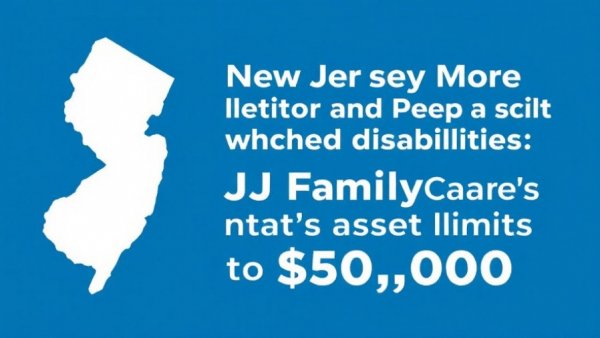
As New Jersey tackles the pressing issue of affordability for its older residents and individuals with disabilities, an urgent focus is placed on the NJ FamilyCare program. Currently, restrictive asset limits prevent many from qualifying for essential healthcare while forcing them to deplete their modest savings. Advocates argue that raising these limits to $40,000 is not only a compassionate necessity but an efficient use of state resources. This change could fundamentally alter the landscape of senior care for many families throughout the state.
The Problem with Current Asset Limits
Under the existing regulations, asset limits are minimal; for example, individuals qualifying under the Aged, Blind, Disabled (ABD) pathway can only have $4,000, while those under the Managed Long-Term Services and Supports (MLTSS) can only possess a mere $2,000. Such limits have not changed since 1989, forcing beneficiaries to strip away their savings just to qualify for care. This issue has persisted despite significant changes in the economic landscape and the cost of living over the last few decades, making the current thresholds highly inadequate.
This approach has harmful implications, as highlighted by stories like that of Loretta from Mahwah, who at the age of 96 lost her care after a modest deposit from Social Security briefly pushed her above the limit. The difficulty faced by Loretta illustrates not just a bureaucratic mishap, but also the immediate health and financial crisis facing many who navigate these intricate rules. It serves as a poignant reminder of how existing policies can disproportionately affect the vulnerable.
The Proposed Solution: Raise Asset Limits
Increasing the NJ FamilyCare asset limits to $40,000 is a proactive step that could directly help thousands of New Jersey seniors maintain essential financial security while receiving care. Such a change aligns the state’s approach with the Jersey Assistance for Community Caregiving (JACC) program, which already allows for this higher limit. By creating a more realistic threshold, individuals could preserve their modest financial buffers needed for housing, unexpected emergencies, and other basic needs, which are essential for maintaining a dignified life.
Moreover, raising the limits would lead to reduced administrative burdens and costs, creating an environment where healthcare can be accessed more seamlessly. Updating the asset limits is not just about lifting numbers; it promises earlier access to care, lowering the risk of hospitalizations, and facilitating a smoother transition into needed services. This encourages preventive care, which can be more effective and less costly in the long run.
The Case for Health Care Affordability
Affordable healthcare is essential. By adjusting asset limits, New Jersey can extend its Medicaid services to more residents without the caveat of spending down their savings. This means seniors could access essential services or prescriptions without jeopardizing their ability to cover basic living costs. Access to affordable medication is a critical aspect of health management, particularly for seniors managing chronic conditions.
Keeping financial safety nets intact allows seniors to live more independently in their own homes—a preferred outcome for many. Community-based care options are not only less expensive than nursing facilities but also align with the desires of many older adults who value their independence. An increased asset limit empowers individuals to make decisions that favor their health and financial wellbeing.
Creating Financial Equity and Supporting Independence
In a state where the cost of living is high, financial security for older adults and those with disabilities is crucial. By raising asset limits, New Jersey promotes equitable access to healthcare, especially for renters whose emergency funds are now counted toward their eligibility for assistance. Recognizing that homeownership is not an option for everyone, this step addresses systemic inequalities in wealth distribution that persist across the state.
The proposed change would also help decrease age- and disability-based barriers that restrict individuals from accessing necessary healthcare options. Under the current regimen, many individuals avoid savings due to fear of losing their healthcare coverage—a disincentive that's especially daunting for those navigating the complexities inherent in aging and disability care services. It is vital that these barriers are dismantled to create a fairer system.
Potential Benefits for New Jersey Residents
While the proposal for increased asset limits offers a lifeline to the aging population, it also presents an opportunity for New Jersey to revamp its approach to healthcare funding as a whole. By reducing unnecessary bureaucratic hurdles, state resources can be deployed more effectively, benefiting both residents and the overall healthcare ecosystem. These adjustments could serve as a model for other states facing similar challenges, thereby promoting a wider dialogue about aging and disability care reform.
Additionally, through the utilization of federally funded programs, seniors who qualify for Medicare Savings would automatically access further assistance in the form of prescription benefits. This marks a significant financial advantage for the state’s older population, helping them secure the prescriptions they need without the fear of financial collapse.
Conclusion: Advocate for Change
The necessity for change is evident, with clear advantages laid out for both individual residents and the state of New Jersey as a whole. Advocates for the proposed increase in asset limits encourage community members to support this initiative that promises to make health care more accessible and affordable for older adults and people with disabilities. This grassroots support plays a critical role in determining whether policy changes will take place.
As New Jersey navigates the balance between state resources and the health needs of its aging population, raising the NJ FamilyCare asset limit stands as a pivotal reform. Empowering seniors today ensures that they create a stable tomorrow, while sparking broader discussions around systemic reforms that offer sustainable support for the community. The time to act is now, as the well-being of countless families rests upon our ability to create a more inclusive and compassionate healthcare landscape.





Write A Comment