Add Row
Add Element
cropper
update

COASTAL SENIOR TRIBUNE

update
Add Element
  • Home
  • Categories
    • Senior Home Services
    • Assisted Living
    • Home Care
    • Senior Events
  • Featured Business Profiles
March 19.2025
3 Minutes Read

Why Understanding Social Security is Essential for Seniors' Financial Health

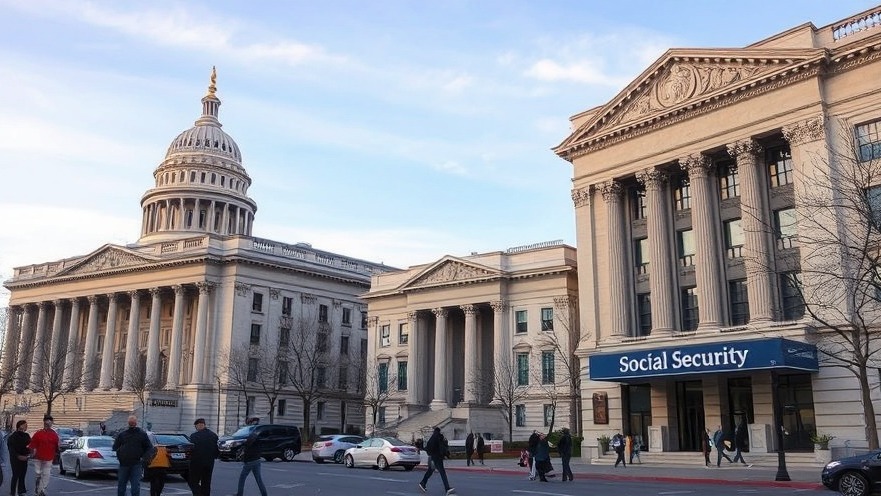
Scene in Washington DC with Social Security building, depicting financial security for elderly.


Understanding the Role of Social Security in Today’s America

Social Security plays a crucial role for millions of seniors across the United States, providing essential support to those who have spent their lives working and contributing to the system. In the current landscape of rising healthcare costs, housing expenses, and inflation, the program acts as a safety net that ensures stability for many older adults. As it stands, over 65 million retirees, disabled individuals, and survivors count on Social Security benefits as a significant portion of their income. For many, this monthly check is the difference between comfort and financial distress.

Historical Context of Social Security

Established in 1935 as a part of President Franklin D. Roosevelt's New Deal, Social Security was designed to provide insurance for individuals against unemployment or poverty in old age. Initially, it was a safety net for a few, but over the decades, it has evolved into a critical support system that has shaped the financial landscape of aging in America. The program was influenced heavily by the economic realities of the Great Depression, highlighting its foundational mission to protect those most vulnerable in society.

A Lifeline in Times of Fear

A significant aspect of Social Security is its ability to provide reassurance in uncertain times. Economic shifts, job losses, and unexpected expenses can create daunting challenges for seniors. With Social Security, individuals can face these challenges with the confidence that they have a reliable source of income. This trust and peace of mind are invaluable.

Future Predictions: The Survival of Social Security

The future of Social Security is often a topic of heated debate. While the system is currently solvent, projections indicate that, without significant changes, it may face funding challenges in the coming decades. Experts warn that the trust funds will deplete by the mid-2030s if nothing changes, raising alarms among households built on these benefits. Adjustments such as raising the retirement age or modifying contribution rates could be necessary to secure the program’s longevity. Understanding these dynamics is crucial for seniors planning their financial futures.

Expanding the Conversation: Diverse Perspectives on Social Security

While most recognize Social Security's importance, perspectives vary on how it should be funded and restructured. Some argue for privatization, suggesting that individuals should have agency over their retirement funds. Others advocate for maintaining the current system to avoid risking the security it offers. Discourse around these options should consider not only the economic implications but also the social responsibilities we hold towards our elders.

The Emotional Impact of Social Security

An often-overlooked aspect of Social Security is its emotional significance. For many seniors, these benefits are not just financial support; they represent years of hard work and the safety that comes with financial independence. Losing this financial backing could lead to anxiety and stress, undoubtedly impacting mental health. Hence, any discussion of Social Security reform must prioritize the human element.

Actionable Insights: How Seniors Can Protect Their Benefits

Seniors can take proactive steps to ensure their financial stability in relation to Social Security. Staying informed about their benefits and potential changes to the program is critical. Additionally, engaging in community forums or lobbying efforts can amplify their collective voice, advocating for sound policy that protects and expands benefits. Educating themselves about the options available, such as spousal benefits, can also maximize their financial security.

Closing Thoughts: Embracing the Role of Social Security

As a key benefit for seniors, Social Security represents more than just a check each month; it is a symbol of the nation’s commitment to its older population. By understanding its historical context, recognizing its vital role, and advocating for its future, seniors can better prepare for the challenges ahead. Ultimately, the fight for Social Security is not just about numbers; it is about ensuring a dignified life for all seniors. Engage with others in this conversation to help secure not just your future, but the future of countless individuals relying on these vital benefits.


Assisted Living

47 Views

0 Comments

Write A Comment

*
*
Related Posts All Posts
01.15.2026

Navigating Medicare Coverage for Transgender Older Adults: Essential Insights for Advocates

Update Understanding Medicare Coverage for Transgender Older AdultsTransgender older adults face unique challenges in navigating health systems, particularly Medicare. Recent updates in policy and advocacy work aim to ensure they receive equitable health care. This article delves into what this means for advocates and older adults alike, providing essential insights into Medicare coverage tailored for those who identify as transgender.Your Gender Identity and Medicare: Know the BasicsIt’s crucial to understand that while a client's gender identity may not be printed on their Medicare card, it is nonetheless a part of their Medicare records linked to their Social Security identification. According to federal regulations, an individual's gender or identity should not impact their Medicare eligibility. However, changes to gender markers have become more complicated due to recent Social Security Administration policy revisions. As of 2025, the ability to alter sex markers with the SSA has been significantly restricted, meaning previously approved changes will continue to be honored, but no new changes can be processed.The Importance of Coverage Options for Transgender IndividualsChoosing the right Medicare plan is critical for transgender older adults, given their specific health care needs. Various options are available, including Medicare Advantage plans and Traditional Medicare, and the choice can greatly influence access to trusted providers and culturally competent care.When evaluating plans via the Medicare Plan Finder, it's essential to scan for details such as premiums, coverage of critical medications, and whether a provider is in-network. Understanding the nuances of these plans can make a significant difference in the quality and cost of care.Accessing Health Services: The Role of State Health Insurance Assistance Programs (SHIPs)Unfortunately, many transgender individuals encounter discrimination within the health care system. Federal law offers protection against such bias based on gender, but healthcare organizations may not always adhere to these regulations. State Health Insurance Assistance Programs (SHIPs) serve as a valuable resource for Medicare beneficiaries, offering free, personalized assistance in navigating their coverage options. Counselors can help individuals identify the best plans for their needs and guide them toward accessible care, reinforcing the importance of community support in achieving health equity.Transition-Related Care: What's Covered?Medicare has made strides in coverage for gender-affirming care. Hormonal treatments can be covered under Medicare Part D, but they often require prior authorization to ensure medical necessity. Notably, medically necessary gender-affirming surgeries also have a designated process for coverage under Medicare, which evaluates requests based on strict guidelines set forth by the World Professional Association for Transgender Health (WPATH).The Path Forward: Advocating for Transgender Rights in Health CareAs organizations strive to combat discrimination, it is essential that advocates remain informed about current policies affecting transgender health care. Continuous education on Medicare policies and active advocacy can empower older adults to know their rights and receive the care they need without bias.Moreover, even with the growing accessibility of Medicare for transgender individuals, advocates must remain vigilant and prepared to support their clients, especially in cases of denied coverage. There are established appeal processes available, and understanding these can be pivotal for older adults who may have experienced discrimination.Taking Action: Your Role as an AdvocateTo make a difference in the lives of transgender older adults, advocates can play a vital role by spreading awareness about Medicare policies and available resources. Connecting with local SHIP counselors, sharing accurate information, and offering emotional support can help reframe the experiences of many within the transgender community. This comprehensive approach will foster a more inclusive health care environment.ConclusionFor transgender older adults, navigating Medicare is fraught with challenges, but knowing one's rights and the available resources can facilitate better health outcomes. Advocates are essential in this journey, helping clients access the care they deserve while promoting awareness and equality in health care for all.

01.10.2026

Federal Court Blocks HUD Funding Cuts: What Seniors Need to Know

Update Federal Court Blocks HUD Funding Changes Affecting Seniors In a recent legal victory for advocates of older adults, a federal district court issued a preliminary injunction that halts the Department of Housing and Urban Development's (HUD) proposed funding cuts aimed at its primary homeless assistance program. The HUD's controversial plan sought to restructure the Continuum of Care (CoC) program by significantly reducing funding for permanent supportive housing (PSH), which could have dire consequences for older Americans—who represent the fastest-growing segment of the homeless population. The court's ruling serves as a temporary measure to provide stability as Congressional debate continues over the renewal of current CoC grants for another year. A renewed appropriation could not only ensure that vital support services remain funded but also offer a lifeline to older adults who depend on these resources for housing stability and support. Implications of the HUD Injunction for the Elderly With the rise in homelessness among seniors, the need for robust funding of PSH is critical. Advocates emphasize that the proposed cuts could potentially undo years of progress aimed at reducing elderly homelessness. Efforts to lobby Congress are now more crucial than ever, highlighting that funding for these support programs is not merely a budgetary item but a lifeline that affects the dignity and quality of life for many. House Passes Bill to Extend ACA Tax Credits: A Necessary Lifeline In another significant development for older adults, the House of Representatives approved a bill this week that extends the Affordable Care Act's enhanced premium tax credits (ePTCs) for an additional three years. This follows the expiration of the ePTCs on December 31, which led to drastically increased costs for many low- and moderate-income families seeking health insurance. By securing this extension, the House aims to alleviate some of the financial burdens on older adults who often face high healthcare costs. Despite the House's action, the bill still faces potential hurdles in the Senate. Advocates are urging constituents to contact their Senators to support this critical legislation to ensure that older adults and their families maintain access to affordable health coverage. As healthcare costs continue to escalate, the impact of this extension could be profound. Concerns Over Immigrant Data Sharing with DHS A recent ruling from the U.S. District Court for Northern California has authorized the sharing of certain Medicaid data between the Center for Medicare and Medicaid Services (CMS) and the Department of Homeland Security (DHS). This allows DHS to access information pertaining to some immigrant Medicaid enrollees. Critics worry about the potential consequences for vulnerable populations, especially older immigrants, who may hesitate to seek necessary medical care fearing repercussions related to their immigration status. This data-sharing decision underscores the ongoing ethical and practical debates regarding the intersection of healthcare access and immigration policy. It also affects approximately 20 states that have challenged this directive, posing challenges to the confidentiality and trust in healthcare systems. Medicare Legislation in the Spotlight Meanwhile, the discourse around Medicare continues to advance with recent hearings convened by the House Energy & Commerce Health Subcommittee focused on several bills that align with Justice in Aging’s priorities. One notable piece of legislation is the bipartisan Senior Savings Protection Act, which seeks to extend funding for outreach and enrollment assistance for low-income Medicare beneficiaries. The push for increased transparency in Medicare data through proposed legislation established by Rep. McClellan focuses on fostering an environment where beneficiaries can make informed choices without navigating complicated healthcare systems alone. These legislative efforts are vital in safeguarding the health and well-being of older adults. What This Means for Seniors The evolution of these legislative measures pinpoint a crucial moment in American policy as it pertains to the aging population. As the demographics shift, stakeholders from various sectors—including medical, housing, and legal—are ensuring that older adults remain at the forefront of policy considerations. By encouraging active advocacy and engagement, seniors and their families can influence the dialogue to protect and enhance the services they rely on. As you reflect on these changes, consider how they impact your community. It's vital that older adults remain empowered and informed about these issues. Your voice matters in the conversation about policies affecting housing stability and healthcare affordability. For further information on how to get involved in advocacy efforts, including writing your representatives about crucial legislation, visit the Coalition on Human Needs. Your actions can help drive change and ensure a robust support network for all seniors.

01.08.2026

Medicaid Estate Recovery's Burden: How It Deepens Poverty for Families

Update Unpacking Medicaid’s Estate Recovery: More Than Just PolicyIn a landscape where health care is fast becoming a battleground of economics and ethics, the current Medicaid estate recovery policies are a double-edged sword for vulnerable populations, particularly seniors and people with disabilities. Federal law mandates that states seek reimbursements from the estates of deceased Medicaid beneficiaries to cover certain costs. While the intention is to protect fiscal integrity within Medicaid, the implications are stark for families surviving loved ones who relied on this critical support system. Such policies, inadvertently, play a crucial role in perpetuating poverty and widening socioeconomic gaps.The Hidden Costs of Estate RecoveryTraditionally aimed at ensuring that Medicaid benefits are responsibly managed, estate recovery has, in practical terms, often led to unintended consequences. For many low-income families, the prospect of losing their family home can deter them from seeking much-needed Medicaid support. As a Missouri advocate poignantly stated, "Estate recovery asks [people] to make an impossible choice between their health and the financial security of their loved ones." The outcome here is not merely financial; it’s an erosion of familial legacies that could otherwise serve as a stepping stone for future generations.Disparities in Impact: Who Is Affected?Disparities emerge notably along racial and economic lines, as communities of color face compounded challenges. The Medicaid landscape reveals staggering statistics: 75% of seniors enrolled in Medicaid have net wealth of less than $48,500 at the time of death, with Black and Hispanic families typically holding even less. The ramifications are severe—families facing financial insecurities are often forced to liquidate assets, which undermines the ability to pass down wealth. The systemic barriers to wealth accumulation become even more pronounced in the context of familial wealth transfer, with other Medicaid beneficiaries fearing the repercussions of asset recovery. As emphasized in recent discussions and analyses, estate recovery creates a cycle that not only threatens immediate security but also destabilizes the long-term prospects of entire families.Actionable Insights: Advocacy and Changes on the HorizonThe conversation surrounding estate recovery is evolving. Recent proposals aim to modify or entirely eliminate these policies. Notably, H.R. 7573 would abolish estate recovery programs entirely, while H.R. 8094 seeks to protect the family home if transferred to eligible individuals or those under poverty thresholds. A growing coalition of advocates from various political backgrounds is joining forces to bring these issues to the forefront. Equity-driven solutions such as expanding hardship waivers or re-evaluating financial thresholds are essential steps toward mitigating the adverse effects of estate recovery.What Can You Do?For seniors and families navigating the complexities of Medicaid, understanding your rights and potential avenues for advocacy is paramount. Engage with local organizations focused on senior care and rights. Demand policy reforms to your state representatives and share personal stories to underscore the human impact of these laws. The more voices that join the chorus for change, the stronger the movement to create a more equitable health care system for all.

Terms of Service

Privacy Policy

Core Modal Title

Sorry, no results found

You Might Find These Articles Interesting

T
Please Check Your Email
We Will Be Following Up Shortly
*
*
*